October 7, 2026
Heating, Ventilation, and Air Conditioning (HVAC) systems play a crucial role in providing comfort and maintaining a healthy indoor environment in homes. These systems are responsible for regulating temperature, filtering air, and ensuring a pleasant living space. Despite their significance, many homeowners are not fully aware of how their HVAC systems work or the level of care they require. HVAC contractors often wish their clients had a better understanding of these complex systems and the steps necessary to ensure their efficient and long-lasting operation. By keeping informed and proactive, homeowners can avoid common pitfalls and work with contractors to maintain an optimal home environment.
The Basics of Your HVAC System
HVAC systems come in various types, each designed to suit different home needs and preferences. Central air conditioning is the most common type found in homes and is typically combined with a furnace to provide heating and cooling through a network of ducts. Alternatively, ductless mini-split systems are becoming popular due to their flexibility and ease of installation; they are ideal for homes without existing ductwork. Heat pumps provide both heating and cooling by transferring heat from one place to another rather than generating heat themselves. Lastly, hybrid systems combine gas and electric power to offer energy-efficient solutions, switching between energy sources based on the temperature and cost-effectiveness.
Understanding the type of HVAC system in your home is essential, as each system has unique maintenance requirements and operational characteristics. For instance, central air systems require regular duct cleaning, while ductless systems need careful attention to keep indoor units free from dust and debris. Heat pumps call for routine checks on refrigerant levels and airflow, whereas hybrid systems need precise calibration between gas and electric settings. Knowing your system type will guide you in performing or scheduling the appropriate maintenance tasks. Proper care can significantly extend the lifespan of your HVAC system, improving its performance and saving costs in the long run.
With about 90% of households in the United States equipped with air conditioning units, according to This Old House, understanding the components and functioning of these systems is particularly vital. Familiarity with your HVAC system not only ensures better maintenance practices but also empowers you when consulting with professional technicians. You will be better equipped to understand their assessments, recommendations, and the pricing involved for services or parts replacement. This knowledge fosters greater confidence in making decisions regarding repairs or upgrades and contributes to a more efficient and reliable atmosphere in your home. Contracting a knowledgeable technician becomes a more collaborative and efficient process when homeowners are informed participants.
An HVAC system is composed of several major components, each playing a critical role in ensuring efficient operation. The furnace or heat pump is responsible for heating air, while the air conditioner cools it. These units depend on thermostats to regulate the desired temperature and maintain comfort levels throughout the home. Ductwork serves as the circulatory system of the HVAC setup, distributing conditioned air and returning it to the system for recirculation. Air filters, another essential component, trap dust, pollen, and other particulates, thus protecting the system's interior and improving indoor air quality.
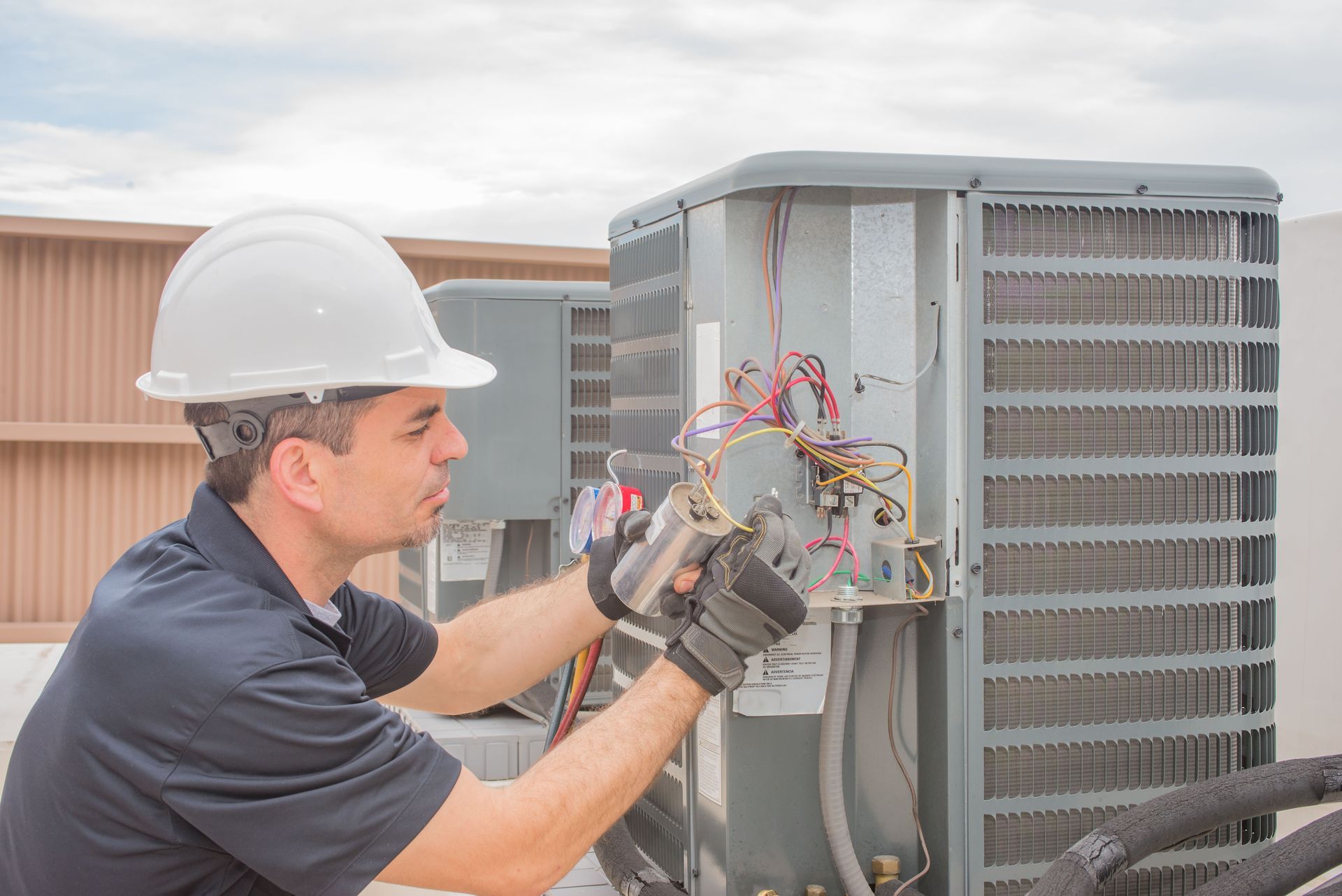
Understanding these components helps homeowners with routine maintenance tasks, such as regularly changing or cleaning air filters and ensuring vents and registers are unobstructed. Thermal sensors and control boards in the system can sometimes fail and require replacement. Ducts are prone to leaks or obstructions, which necessitate periodic inspection and cleaning to guarantee optimal airflow and efficiency. Additionally, the refrigerant level in cooling systems must be correct to avoid stress on the compressor, which might lead to an expensive repair if not appropriately managed. Simple checks and balances of these components can lead to a longer-lasting and better-performing HVAC system.
A basic understanding of how an HVAC system works can enhance a homeowner's ability to maintain it effectively. The thermostat's primary function is to sense the temperature in the home and communicate with the HVAC system to maintain the desired setpoint. When heating is required, the furnace or heat pump generates warm air, which is then distributed throughout the house via the ductwork or through designated units in the case of ductless systems. Similarly, during cooling, the air conditioner or heat pump draws warm air from the interior, extracts the heat, and circulates cooled air back through the home.
Importance of Regular Maintenance
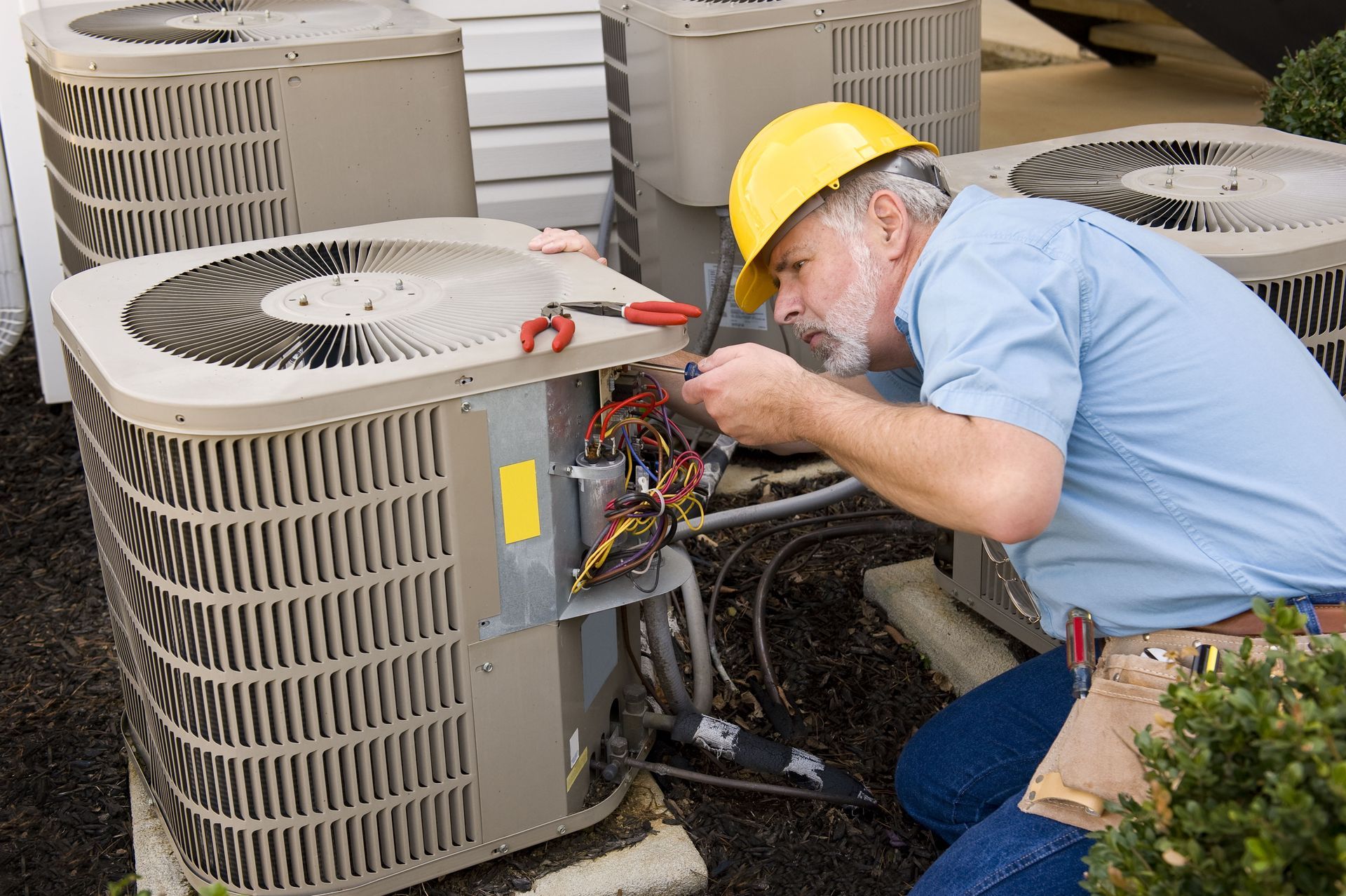
Regular maintenance is an essential aspect of ensuring the efficient operation and longevity of HVAC systems. Homeowners should adhere to a seasonal maintenance checklist that outlines key tasks for system upkeep, aligning with the changing demands of each season. This list typically includes replacing air filters, inspecting system components for signs of wear or potential failures, and ensuring the thermostat is functioning properly. Cleaning vents, registers, and the area around outdoor units should not be overlooked. Seasonal maintenance also involves checking refrigerant levels to maintain efficient cooling and verifying that combustion-related components in heating systems are clean and in good working order.
Seasonal walkthroughs are an opportunity to identify any potential problems before they escalate. Addressing minor issues early, such as leaks, clogged filters, or worn-out parts, prevents more costly repairs down the line and keeps the system running smoothly. Therefore, routinely scheduling this task reduces the likelihood of encountering unexpected malfunctions during peak usage, whether in winter or the summer months. Ensuring that system components are clean and functioning optimally results in enhanced energy efficiency and decreased overall running costs. By investing the time and resources necessary for consistent seasonal maintenance, homeowners protect their investment and optimize comfort throughout the year.
Choosing the right HVAC technician or contractor is crucial for maintaining, diagnosing, and repairing your system with expertise and professionalism. A good place to start is checking affiliations with reputable industry organizations, such as the Air Conditioning Contractors of America (ACCA) or the North American Technician Excellence (NATE) program. These affiliations indicate a commitment to industry standards and continuous education, ensuring that the technician is up-to-date on the latest best practices. Beyond certifications, checking reviews and testimonials from previous clients provides unparalleled insights into a technician’s reliability, professionalism, and overall service quality.
Requesting recommendations from friends, family, or neighbors can also lead you to trustworthy technicians who have consistently provided satisfactory services. Two-way communication is vital, and reliable technicians should openly address your concerns and explain their findings and repair processes clearly. Quotes should be transparent, with no hidden costs or unexpected fees. Trustworthy technicians readily provide estimates and projected timelines for completion, demonstrating their expertise and confidence in handling the task efficiently and diligently. Finally, ensure the technician offers guarantees or warranties on their work to protect your investment and define expectations accurately.
Neglecting regular HVAC maintenance can have various detrimental consequences for both the system and the home's occupants. Without consistent upkeep, HVAC systems can become inefficient, leading to increased energy bills as they work harder to maintain temperature settings. Components that are dirty, worn out, or malfunctioning can accelerate wear and tear, ultimately causing system breakdowns that necessitate costly repairs or replacements. Additionally, neglect can compromise indoor air quality, as clogged filters and ducts harbor dust, allergens, and pollutants that circulate throughout the home, aggravating respiratory conditions or allergies.
Informed and proactive HVAC care can help homeowners maintain comfort, improve system performance, and avoid unnecessary repair costs. By understanding their system, completing regular maintenance, and working with qualified HVAC professionals when needed, homeowners can keep their equipment operating reliably throughout the year. A consistent approach to HVAC maintenance also helps protect indoor air quality and extend the system’s useful life. Are you looking for professional
HVAC contractors that you can count on? Contact Oxford Plumbing & HVAC today.