May 7, 2026
The comfort of your home during the hottest months depends heavily on how well your air conditioning system performs. When an older unit begins to lose efficiency, it can create uneven cooling, rising costs, and frequent disruptions that impact daily life. With professional AC services, you can evaluate your system’s condition and determine whether replacement is the smarter long-term choice.
Air conditioning systems are long-term investments in comfort, efficiency, and indoor air quality. Modern units are designed to deliver consistent temperatures while using less energy, helping reduce both environmental impact and monthly utility bills. When your current system starts to feel like a burden instead of a benefit, turning to reliable AC services can help you transition to a more reliable and efficient solution.
1. Recognize Frequent Breakdowns
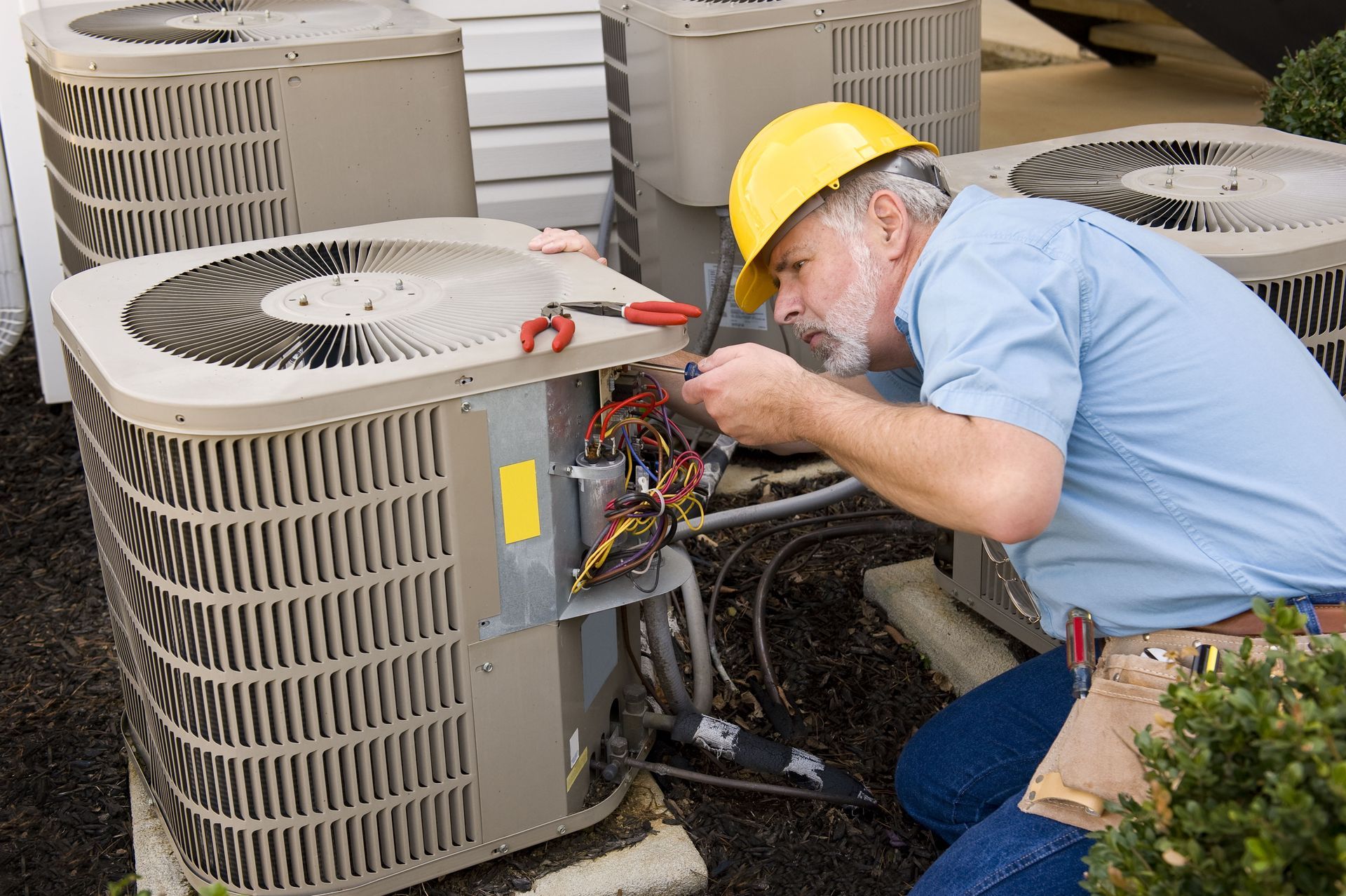
Frequent breakdowns are one of the clearest indicators that your AC system is nearing the end of its lifespan. If you find yourself scheduling repairs multiple times a season, those costs can quickly add up. Industry guidance suggests that when repair expenses reach at least 50% of the price of a new system, replacement becomes the more practical option, according to HomeGuide. Relying on ongoing service for constant fixes often signals a deeper issue that repairs alone cannot resolve.
Beyond the financial strain, repeated breakdowns create ongoing inconvenience. Losing cooling during peak summer heat can disrupt your routine and compromise your comfort. While repairs may temporarily restore function, they rarely address the root cause of declining performance.
Visible signs of wear, such as corrosion, leaks, or unusual noises, often accompany these breakdowns. These issues reflect internal deterioration that reduces efficiency and reliability. While AC services can address minor concerns, persistent mechanical problems indicate that the system is no longer capable of meeting your home’s cooling demands effectively.
2. Identify Inconsistent Temperatures
Uneven cooling throughout your home is another sign that your AC system may need an upgrade. Older units often struggle to distribute air evenly, leaving some rooms too warm while others feel overly cold. This imbalance can make it difficult to maintain a comfortable living environment, especially in larger or multi-level homes. Professional AC services can assess whether your system is capable of providing consistent airflow or if replacement is necessary.
Temperature fluctuations can also point to outdated technology that lacks modern climate control features. Newer systems are designed with advanced airflow management and smart controls that regulate temperatures more precisely. Upgrading allows you to achieve a balanced indoor climate without constantly adjusting thermostats or relying on supplemental cooling methods.
Hot and cold spots may also lead to additional issues, such as excess humidity or poor air quality. These conditions can create an environment where mold or allergens thrive, affecting both comfort and health. Replacing an aging system with the help of a reliable service can improve both temperature consistency and indoor air conditions.
3. Monitor Rising Energy Bills
An unexplained increase in energy bills is often linked to declining AC efficiency. As systems age, they require more energy to deliver the same level of cooling, leading to higher monthly costs. Tracking your utility bills over time can reveal patterns that indicate your system is working harder than it should.
Older units typically lack the energy-saving technologies found in modern systems. Advances in design allow new AC units to operate more efficiently while maintaining consistent performance. Upgrading to a newer model can significantly reduce energy consumption, providing long-term savings that offset the initial investment.
Increased energy use not only impacts your budget but also places unnecessary strain on your system. This added stress accelerates wear and tear, leading to more frequent repairs and a shorter lifespan. Transitioning to a high-efficiency system with the support of professional AC services helps you regain control over energy costs while improving overall performance.
4. Evaluate System Age
The age of your AC system plays a major role in its reliability and efficiency. Most units are designed to function effectively for a limited number of years before performance begins to decline. If your system is approaching or exceeding this range, it may no longer meet modern efficiency standards. Routine service can help determine whether your system is still viable or ready for replacement.
Older systems are more likely to experience component failures due to prolonged use. As parts wear down, the system must work harder to maintain cooling, leading to increased energy use and reduced comfort.
In addition, outdated systems may rely on older refrigerants or components that are less environmentally friendly. Replacing your unit provides an opportunity to choose a system designed with sustainability in mind, aligning comfort with environmental responsibility.
5. Notice Poor Airflow
Weak or inconsistent airflow is another warning sign that your AC system may be failing. Reduced airflow can make it difficult to cool your home effectively, even if the system is running continuously. This issue often stems from worn-out components or internal blockages that limit performance.
Poor airflow can also lead to uneven cooling and increased humidity levels. When air is not properly circulated, certain areas of your home may feel uncomfortable or damp. Upgrading to a modern system ensures stronger, more consistent airflow that enhances overall comfort.
Addressing airflow issues early can prevent further strain on your system. A new unit designed for efficient air distribution provides reliable performance while reducing the risk of future complications.
6. Detect Unusual Noises or Odors
Strange noises or unpleasant odors coming from your AC system often indicate underlying problems. Grinding, rattling, or buzzing sounds may signal loose or damaged components, while musty or burning smells can point to more serious concerns. While AC services can resolve minor issues, persistent problems often suggest that replacement is the safer option.
Ignoring these warning signs can lead to more extensive damage or even safety risks. Addressing unusual sounds and odors promptly helps prevent further complications and ensures your system operates safely. Upgrading to a new unit eliminates these concerns and provides peace of mind.
Modern systems are designed to operate quietly and efficiently, improving both comfort and convenience. By replacing an aging unit, you can enjoy a more pleasant and worry-free home environment.
7. Consider Overall Comfort and Performance
When your AC system no longer delivers the level of comfort you expect, it may be time to consider an upgrade. Persistent issues such as uneven cooling, high humidity, and frequent repairs all contribute to a decline in overall performance. Working with a reliable company allows you to evaluate your options and select a system that meets your needs.
Newer AC units offer advanced features that enhance comfort, including improved temperature control, better air quality, and increased energy efficiency. These benefits create a more enjoyable living environment while reducing long-term costs. Ultimately, upgrading your AC system is an investment in your home’s comfort and functionality. By recognizing the signs of decline and taking action, you can avoid unnecessary expenses and enjoy reliable cooling for years to come.
Upgrading your air conditioning system is not just about replacing an old unit—it is about improving your quality of life. From reducing energy costs to enhancing indoor comfort, a new system offers lasting benefits that outweigh the temporary convenience of ongoing repairs. If you are experiencing any of these warning signs, we encourage you to explore your options and take the next step with Oxford Plumbing & HVAC, where we can help you choose the right solution and provide dependable AC services to keep your home comfortable year-round.